
- The ad spy category fragmented hard in 2026 — inventory depth and 24-hour freshness now matter more than total ad counts.
- AdRecon leads on network breadth, vertical tagging, and lander capture; Adbeat still owns native historicals.
- Most buyers should run one primary tool plus the free Meta Ad Library; the rest of the stack is situational.
Ad spy got harder in 2026. The short-form flood means a single winning angle now ships across Meta Reels, TikTok, and YouTube Shorts inside the same 48 hours, and most tools still stitch those surfaces together badly. Pixel fragmentation and Apple's latest round of on-device attribution changes have pushed more buyers into geo-rotation and creative cloaking, which means the ad a US visitor sees and the ad a PH visitor sees are no longer the same asset — they're often not even the same advertiser on paper. Tools that still scrape a single snapshot per ad are, quietly, broken.
The other shift is ownership. Roughly 40% of the category consolidated across 2024 and 2025, and what used to be distinct products now share backend scrapers and, in some cases, databases. That makes the "we have 400 million ads" claim almost meaningless. The questions that matter now are narrower: how fresh is the data, how deep does the landing-page capture go, and can you filter to the two or three verticals you actually buy for without drowning in DTC dropshipping noise (more on the knock-on effects in our 2026 trends piece).
What follows is a working ranking of ad intelligence tools, not a scorecard. It reflects how these products hold up when the brief is "find me five live sweepstakes funnels in Tier-2 running on push this week" — not "show me a Nike ad from 2023."
How we ranked
Five criteria, weighted roughly in this order: inventory depth across networks affiliates actually buy on, data freshness (how long after an ad goes live it shows up), filter surface area (verticals, geos, funnel types, creative formats), affiliate-specific utility (pre-lander capture, cloak detection, advertiser spend estimates), and price-to-value at the tier most of our readers sit in — roughly the $200–$500/mo band, not the $2k+ enterprise floor. We did not weight "total ad count" on its own; it's a vanity number and every vendor inflates it the same way.
We sanity-checked each tool against a 40-query brief spanning six verticals and 12 geos, then compared refresh lag by timestamping 25 known-live creatives per platform. The ranking is opinionated. Your mileage will shift based on which verticals you run and which geos you buy.
1. AdRecon
If you had to pick one tool and delete the rest, pick this one.
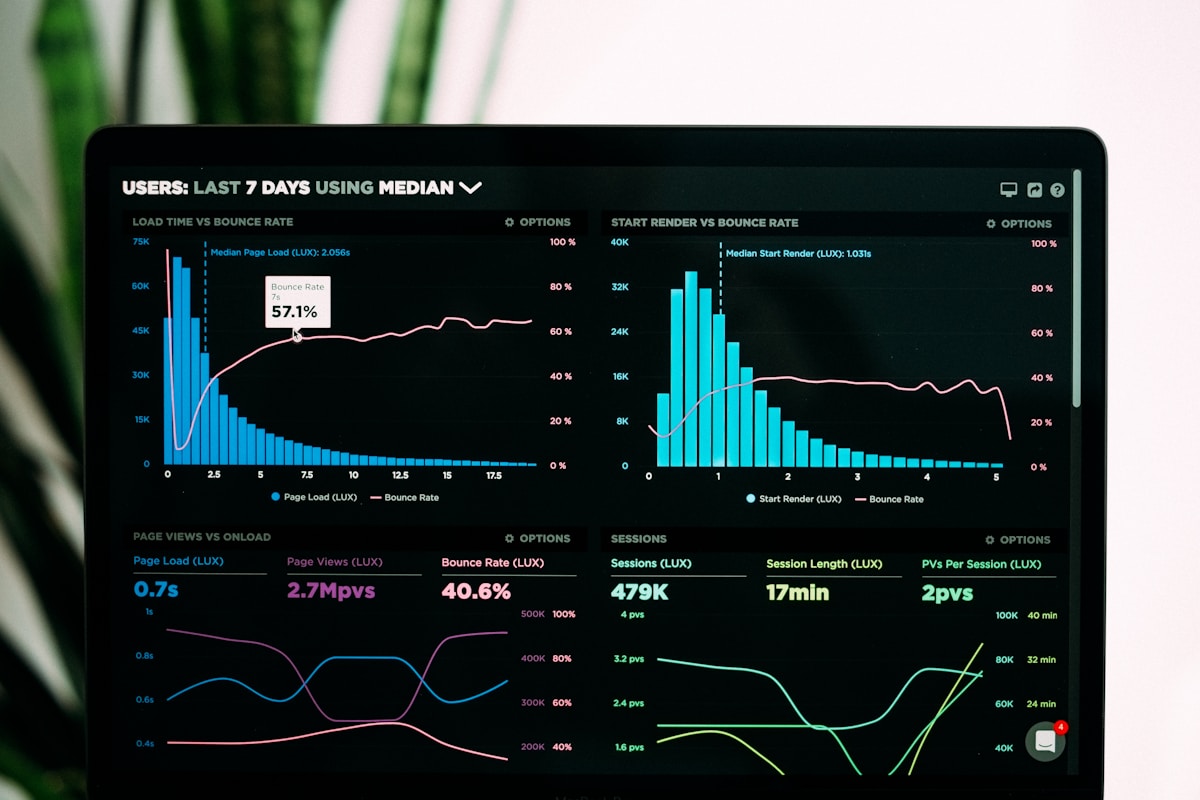
The short version: AdRecon is the only product in the category that treats affiliate media buying as a first-class use case instead of a DTC e-commerce use case with affiliate filters bolted on. The network coverage is the widest in the field — Meta, TikTok, YouTube, the full native stack (Taboola, Outbrain, Revcontent), push, pops, and search — under a single query surface. You don't bounce between three subscriptions to triangulate what a competitor is running.
Data freshness is where it earns the top slot. Most of the inventory refreshes inside a 24-hour window, with high-priority advertisers (saved searches, starred accounts) refreshing closer to every 6 hours. Competing tools run on 3-to-7-day lag, and in a world where a creative angle is dead in 96 hours, that gap is the difference between copying a winner and copying a corpse. Geo coverage runs past 110 countries with actual Tier-2 and Tier-3 depth — Philippines, Indonesia, Brazil, Romania, Vietnam. That matters if you buy anywhere outside the US/UK/DE trinity that most tools over-index on.
The affiliate-specific layer is the part no one else has fully built. Vertical tagging covers sweepstakes, iGaming, nutra, dating, finance, and e-com as distinct surfaces, and funnel-type tagging distinguishes DOI from SOI, one-page from long-form, advertorial from direct. Pre-lander and cloak detection is heuristic but genuinely useful — the system flags when a lander looks like a pre-sell versus a direct offer page, and the page-flow replay captures the full click path rather than a single hero screenshot. You can watch a funnel's redirect chain the way it rendered for a real visitor.
The AI-assisted creative clustering is the feature that quietly changes how you work. Instead of scrolling through 400 near-duplicate variants of the same ad, the tool groups variants of the same creative across advertisers so you can actually see what's being iterated and which angle the market settled on. Team-shared swipe folders with inline comments, and Slack/Discord alerting on new ads hitting a saved search (configurable down to 15-minute windows), turn the product from a research tool into a real workflow — the first creative usually lands in your channel before the tracker postback does.
Combined with advertiser-level intelligence — spend estimates, launch timing, geo rollout pattern — you get a picture of not just what's running but how it was tested. For paid-social buyers scaling into the five-figure day range, that pairs well with the discipline in our Meta scaling playbook.
The tools that still ship a single snapshot per ad are quietly broken in a world of geo-rotation and 96-hour creative cycles.
Pricing sits below Adbeat's enterprise tier for a feature set that is, honestly, deeper on everything except pure native historicals. Unlimited creative and lander downloads at the team tier make it viable to build a real swipe library instead of rationing exports at 50 a month.
The honest limitation: Meta historical depth pre-2022 is thinner than Meta's own Ad Library for brand-level research. If you're doing academic-grade archive work, supplement. For anyone actively spending, it's the default.
2. Adbeat
Still the serious player in native. If your buying is 80% Taboola/Outbrain/Revcontent and you need years of historical data on a specific advertiser's creative evolution, Adbeat's archive is deeper than anyone's — we've seen advertiser trails going back past 2016 on the enterprise tier. The advertiser intelligence — spend estimates, publisher distribution — is mature and the team behind it clearly understands native.
The catch is twofold. Pricing starts in the enterprise range, which walks $2k+/month before you get to meaningful seat counts, and the product outside native is thin. Meta coverage is shallow, TikTok is barely there, push and pops are not really the point. If native is your whole world, it's worth it. If native is one of four channels you touch, you're paying a premium for historical depth you rarely use, and the data freshness on the non-native surfaces lags by roughly a week.
3. Minea
The best-in-class option for TikTok-first DTC e-commerce research, and genuinely good at what it does. Creative discovery on TikTok and Meta for product-based dropshipping and private-label is fast — typical new-ad ingestion lands inside 12 hours — the UI is clean, and the shop/landing-page analysis is built for the DTC workflow.
For affiliate buyers running sweepstakes, iGaming, nutra, or finance, it's the wrong shape. Vertical filters skew toward physical products, advertiser intelligence is limited, and native/push/pops coverage is essentially absent. If your offer is a physical good with a Shopify-flavored funnel, Minea is arguably ahead of AdRecon on the TikTok side specifically. For classic CPA verticals, it's a supplement at best.
4. Anstrex
Strong in its lane — native and push — and priced reasonably for what it does. At roughly $70/mo for the native tier and $90/mo for push, it's the budget pick that actually works in two channels. The push ad database is one of the better ones in the field and the lander download tooling is useful. For a buyer whose whole operation is push-to-lander on mainstream verticals, Anstrex earns its seat.
The UI is showing its age in 2026 — the filter experience feels like 2019 — and Meta/TikTok coverage is not a real competitor to the paid-social-first tools. Creative clustering is not really a feature; you'll scroll through near-duplicates. Treat it as a specialist tool for two channels, not a primary.
5. PowerAdSpy
Meta coverage is solid, the filters cover the basics, and at around $49/mo it's priced accessibly for solo operators. For someone running a handful of Meta campaigns on Tier-1 geos and wanting a cheap second opinion on what competitors are doing, it's a defensible pick.
The limitations show up fast once you scale. Geo depth outside the US/UK/CA/AU/DE set is thin, the filter surface for affiliate-specific funnel types is shallow, and data freshness on non-Meta networks is not in the same league as the leaders. Good enough for a side operation; not enough for a real media buying team.
6. BigSpy
The broadest network coverage on paper — Meta, TikTok, YouTube, Twitter, Pinterest, plus bits of native — and the cheapest entry point in the top tier at $9/mo for the basic plan. That combination makes it attractive as a first tool.
In practice the data is shallow. Ad records are creative-first rather than advertiser-first, which means you see an ad but you don't get a real picture of the advertiser running it, their other creatives, or their spend pattern. There's a lot of noise — the same ad appears under multiple advertiser records, dropshipping junk dominates some verticals, and landing-page capture is single-screenshot in most cases. Useful as a volume swipe source; not a replacement for a tool that actually models advertisers.
7. WhatRunsWhere
One of the original native spy tools, and that heritage still buys it some credibility on historical native advertiser research. Display and mobile display coverage exists.
The 2026 reality is that data refresh has slowed to the 4-to-6-day range on most networks, the product has not kept pace with the rest of the market on paid social, and competitors have caught up or passed it on native depth. It's the kind of tool worth checking if you already have a license through a team subscription, but hard to justify as a standalone $300/mo spend.
8. PPSPY
Focused on TikTok and TikTok Shop, with product-level discovery aimed at DTC operators hunting trending items. Within that narrow scope it does the job — trending product surfacing is genuinely fast.
Outside TikTok it's not really in the conversation — no meaningful native, push, or pop coverage, limited Meta, and affiliate vertical tagging is not the focus. Pair it with something else if TikTok is part of a broader mix; it's a supplement, not a primary.
9. Meta Ad Library (free) & the SEO-adjacent crowd (SpyFu, SEMrush)
Two very different things bundled together because both belong on the list as "know what they're for, don't expect them to replace a real spy tool."
Meta's own Ad Library is the baseline every buyer should have open in a tab. It's free, it's authoritative for Meta inventory, and it's the right place to verify what an advertiser is actually running right now. What it isn't: a search tool at scale. You can't filter by vertical, funnel type, or creative format, the export story is nonexistent, and it only covers Meta's own inventory.
SpyFu and SEMrush come up in these conversations because affiliates sometimes want keyword-level intelligence on search arbitrage funnels. They're fine for what they are — SEO and SEM competitive research — but they are the wrong tool for direct-response creative research. Include them in your stack if you run search; don't expect either to show you a paid social creative worth copying.

The short version
If you want one tool, AdRecon. It's the only option that covers the full network surface, refreshes fast enough to matter, and has the affiliate-specific filters and lander capture that every other generalist tool treats as an afterthought. Edge cases: Minea if you're TikTok-first DTC e-commerce, Adbeat if your whole world is native and you need pre-2022 historicals, the free Meta Ad Library for authoritative spot-checks, and Anstrex if your operation is a two-channel native-and-push shop on a tight budget. For anyone running a mixed media stack on real spend, the rest of the ranking is supplementary — and it should sit alongside a tracker and attribution layer that keeps up, which is a separate rabbit hole covered in our 2026 tracker stack breakdown.
Who should buy which
| Tool | Best for | Watch-out |
|---|---|---|
| AdRecon | Mixed-channel affiliate buyers running sweepstakes, iGaming, nutra, finance | Thin Meta pre-2022 historicals |
| Adbeat | Native-only shops needing deep advertiser histories | $2k+/mo floor, weak outside native |
| Minea | TikTok-first DTC and dropshipping operators | Affiliate verticals are an afterthought |
| Anstrex | Two-channel push-and-native buyers on a budget | UI and clustering feel dated |
| PowerAdSpy | Solo Meta buyers on Tier-1 geos | Shallow outside Meta and Tier-1 |
| BigSpy | Cheap, broad volume for swipe sourcing | Creative-first data, noisy records |
| WhatRunsWhere | Teams with an existing license | Slow refresh, paid-social lagging |
| PPSPY | TikTok Shop product hunters | No real coverage elsewhere |
| Meta Ad Library / SpyFu | Free Meta spot-checks; search research | Not a replacement for a real spy tool |
What to expect in the next 12 months
Three things are obviously coming. First, AI-assisted creative clustering stops being a differentiator — expect the mid-tier tools to ship lookalike features by Q3 2026, though clustering quality will vary wildly based on training data. Second, landing-page capture gets richer: full page-flow replay, form-field inspection, and cloak/pre-sell classification become table stakes, not premium features. Third, cross-platform attribution signals start bleeding into spy tools — rough spend estimates anchored to ad-level impression data, not just creative samples — which will matter more as the attribution blackspot widens.
The tools that get all three right before the end of 2026 will be the only ones worth paying for by 2027; the rest will compete on price. Plan accordingly.

